top of page


Para obter suporte, acesse nosso Discord e abra um ticket.
SUPORTE
Perguntas Frequentes
Perguntas Frequentes
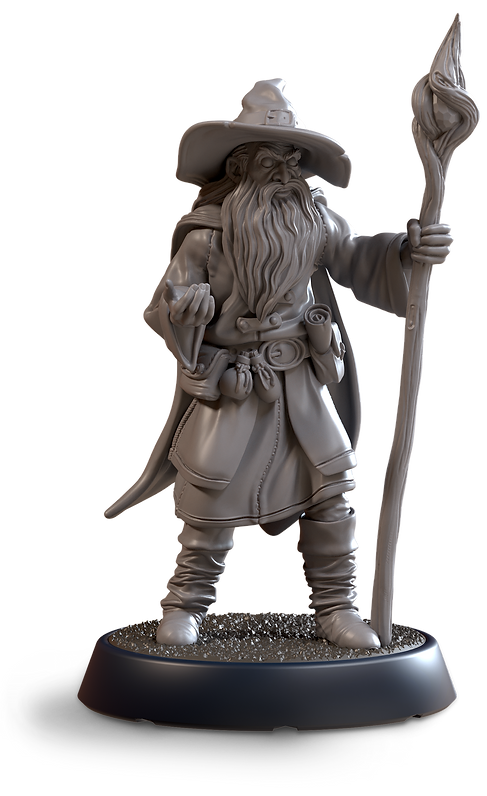
Nossas miniaturas de 32 mm são produzidas na escala 1:50, comumente conhecida como escala de 32 mm no universo das miniaturas.Por que vocês utilizam o termo "escala de 32 mm" se as miniaturas não possuem exatamente 32 mm de altura?O termo "escala de 32 mm" é tradicionalmente utilizado para descrever o tamanho de miniaturas para jogos de mesa. No entanto, a escala 1:50 representa suas proporções de maneira mais precisa.
Uma miniatura de 32 mm na escala 1:50 representa uma pessoa com 1,60 m de altura.
A altura real das nossas miniaturas varia conforme as dimensões dos personagens e criaturas que representam. Por exemplo, uma miniatura de um personagem mais baixo será menor, enquanto uma criatura de grande porte terá uma altura proporcionalmente maior.Como funciona a escala 1:50?Na escala 1:50, cada 1 mm da miniatura representa 50 mm (ou 5 cm) no mundo real.
Essa proporção garante que todas as miniaturas mantenham dimensões coerentes entre si, criando uma coleção visualmente consistente e realista, independentemente das diferenças de altura entre personagens e criaturas.Posso utilizar essas miniaturas com outros modelos na escala de 32 mm?Sim! Nossas miniaturas de 32 mm (escala 1:50) são projetadas para serem compatíveis com outros modelos da mesma escala, mantendo proporções consistentes e uma aparência harmoniosa quando utilizadas em conjunto.
Nossas miniaturas de 75 mm são produzidas considerando uma faixa de escala entre 1:20 e 1:25.
Por que vocês utilizam o termo "escala de 75 mm" se as miniaturas podem variar de altura?
O termo "escala de 75 mm" é utilizado como referência para o tamanho das miniaturas dessa categoria, que seguem proporções equivalentes às escalas de 1:20 a 1:25.
Nessa faixa, uma figura que representa uma pessoa de 1,60 m de altura teria aproximadamente 64 mm na escala 1:25 ou 80 mm na escala 1:20.
Essa flexibilidade permite representar personagens e criaturas de diferentes tamanhos, mantendo um nível consistente de detalhes e proporções.
A altura real das nossas miniaturas varia conforme as dimensões dos personagens e criaturas que representam. Por exemplo, uma miniatura de um personagem mais baixo será menor, enquanto uma criatura de grande porte terá uma altura proporcionalmente maior.Como funciona a escala de 1:20 a 1:25?
Na escala 1:20, cada 1 mm da miniatura representa 20 mm (ou 2 cm) no mundo real. Já na escala 1:25, cada 1 mm representa 25 mm (ou 2,5 cm).
Essa faixa de escala permite criar miniaturas maiores e mais detalhadas, proporcionando um excelente nível de definição e uma presença marcante em qualquer coleção.
Nossos modelos são desenvolvidos considerando essa faixa de proporções, garantindo que os detalhes, as características e a identidade visual de cada personagem sejam preservados.
Posso utilizar essas miniaturas com outros modelos?
Sim! Nossas miniaturas de 75 mm podem ser utilizadas em conjunto com outros modelos nas escalas de 1:20 a 1:25.
Elas oferecem uma opção maior e mais detalhada, ideal para colecionadores, pintores de miniaturas e entusiastas que buscam peças com maior riqueza de detalhes e presença visual.
Miniaturas de 32 mm (Escala 1:50):
Aparência Realista: Essas miniaturas mantêm uma aparência realista, mas seus detalhes são adaptados para garantir boa visibilidade e definição em uma escala menor.Características Exageradas: Para que elementos pequenos, como mãos, olhos e acessórios, sejam facilmente identificados e pintados, algumas características são propositalmente acentuadas. Isso pode resultar em uma aparência ligeiramente mais estilizada quando comparadas às miniaturas maiores.Ideal para Jogos de Mesa: A escala de 32 mm oferece um excelente equilíbrio entre detalhes, resistência e praticidade, sendo perfeita para jogos de RPG, wargames, dioramas e coleções.
Miniaturas de 75 mm (Escala 1:20 a 1:25):
Realismo Aprimorado: Nessa escala maior, as miniaturas apresentam proporções mais realistas e detalhes mais elaborados, proporcionando uma aparência mais próxima de suas referências originais.Riqueza de Detalhes: Embora alguns elementos ainda possam ser ligeiramente acentuados para valorizar a composição e facilitar a pintura, as proporções são mais fiéis à realidade, permitindo representar texturas, expressões e pequenos elementos com maior precisão.Modelagem Otimizada para a Escala: Nossas miniaturas de 75 mm são desenvolvidas especificamente para essa faixa de tamanho. Reduzi-las diretamente para 32 mm poderia comprometer características importantes, como:Resistência: Elementos delicados poderiam se tornar excessivamente finos e frágeis.Visibilidade: Pequenos detalhes poderiam perder definição ou se tornar difíceis de identificar a olho nu.Proporções: Algumas características poderiam não apresentar o mesmo equilíbrio visual em uma escala reduzida.
Por isso, nossas miniaturas são preparadas considerando as particularidades de cada escala, buscando oferecer a melhor combinação entre qualidade, detalhes e resistência.
Qual escala devo escolher para minhas miniaturas?
Escala de 32 mm: Ideal para jogos de RPG de mesa, wargames, dioramas e coleções em que o espaço e a praticidade são importantes. Perfeita para quem procura um equilíbrio entre riqueza de detalhes, facilidade de manuseio e funcionalidade durante as partidas.Escala de 75 mm: Recomendada para colecionadores e entusiastas da pintura que valorizam miniaturas com maior riqueza de detalhes e proporções mais realistas. Excelente para peças de exposição, projetos de pintura e dioramas maiores, nos quais cada detalhe pode ser apreciado
Com certeza! Temos muitas miniaturas em desenvolvimento, mas algumas ainda precisam passar por ajustes e aperfeiçoamentos.
Antes de expandir nossa coleção, queremos ouvir a opinião dos nossos clientes sobre os modelos disponíveis atualmente. Assim, podemos aprimorar nossos produtos e garantir que cada nova miniatura ofereça a melhor qualidade e experiência possível.
Atualmente, não oferecemos licenças comerciais para revenda ou compartilhamento dos nossos arquivos.
No momento, nossas miniaturas estão disponíveis apenas para uso pessoal. Para acompanhar futuras novidades sobre oportunidades de licenciamento comercial, participe do nosso servidor no Discord.
Agradecemos pela compreensão!

bottom of page